
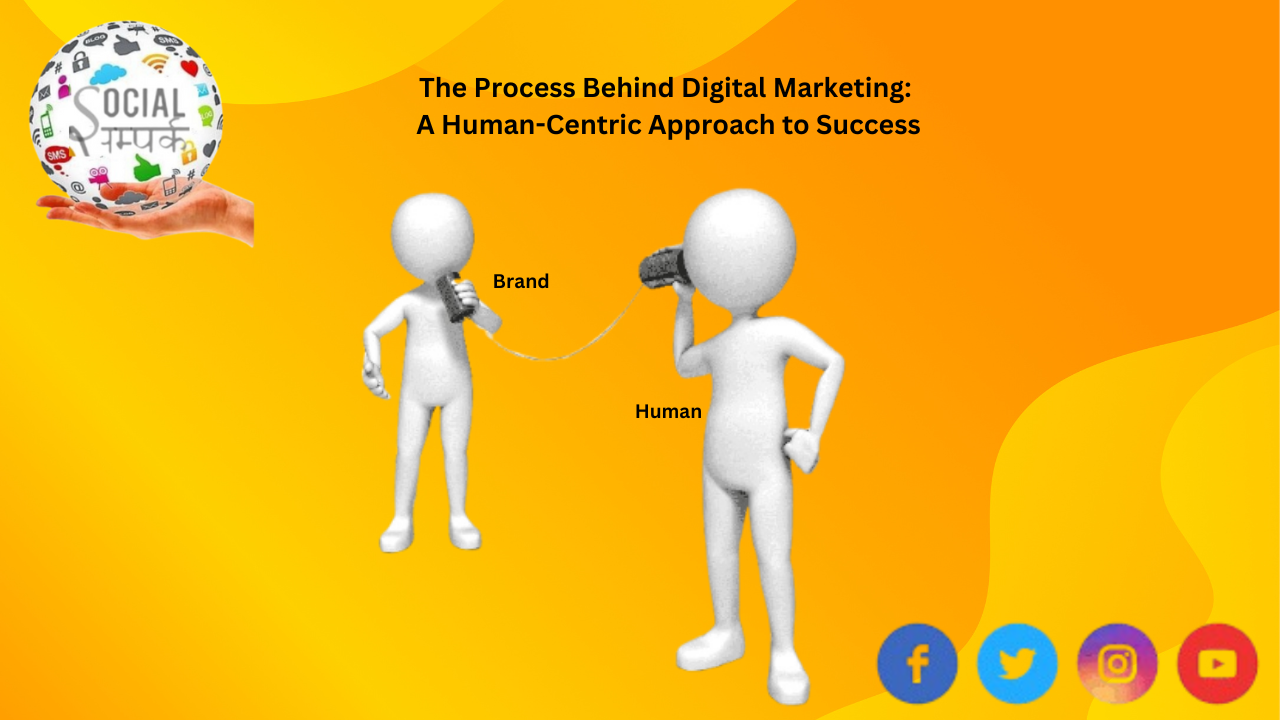
In today’s world, where almost everything has a digital footprint, businesses must adapt to thrive. But digital marketing isn’t just about throwing ads online and hoping for the best. It’s a strategic, thoughtful process that, when done right, can genuinely transform a business. Let’s break down this process in a more personal, human way, so it’s not just a bunch of marketing jargon but something you can relate to and use to guide your efforts.
1. Getting to Know Your Audience
Imagine you’re hosting a party. To make it memorable, you need to know who’s coming, right? Are they foodies, music lovers, or maybe fans of a good mystery game? Digital marketing works the same way. The first step is understanding who you’re talking to—your audience. This involves creating “buyer personas,” which are detailed profiles of your ideal customers.
These personas help you understand what your audience cares about, their challenges, and what solutions they’re looking for. The better you know them, the better you can tailor your messages, products, and overall approach to fit their needs.
2. Setting Goals That Matter
Once you know your audience, it’s time to figure out what you want to achieve. Think of this as setting your destination before starting a road trip. Do you want to get more people to know about your brand? Drive traffic to your website? Maybe you’re looking to generate leads or boost sales. Whatever it is, your goals should be clear and specific.
But here’s the kicker: these goals need to be realistic and measurable. It’s easy to say, “I want more customers,” but how many? By when? Setting SMART goals (Specific, Measurable, Achievable, Relevant, and Time-bound) gives you a clear target to aim for, making it easier to gauge your success and stay motivated.
3. Finding the Right Keywords
Keywords are like the signposts along the road that lead people to your business. Think of them as the questions or phrases people type into Google when they’re looking for something. Finding the right keywords is crucial because they help you get noticed in the vast sea of online content.
But keyword research isn’t just about picking the most popular words. It’s about understanding what your audience is searching for and making sure your content answers those queries. Tools like Google Keyword Planner, SEMrush, and Ahrefs can help you discover which keywords are driving traffic in your industry. Once you have a list of relevant keywords, you can weave them into your content naturally, helping your business show up when it matters most.
4. Creating Content That Connects
Content is the heart and soul of digital marketing. It’s your chance to tell your story, share your expertise, and connect with your audience on a deeper level. But here’s the thing: your content needs to be more than just informative; it needs to be engaging and human.
Think about the kind of content that grabs your attention—whether it’s a blog post, video, social media update, or email newsletter. What makes it stand out? It’s usually something that speaks directly to your interests or offers you something valuable, like a solution to a problem or a new perspective on an issue. That’s what your content should do. It should resonate with your audience, answer their questions, and provide them with value.
And remember, variety is key. Not everyone likes to consume content in the same way, so mix it up. Use a combination of text, images, videos, infographics, and interactive elements to keep your audience engaged and coming back for more.
5. Optimizing for Search Engines (SEO)
If content is the heart of digital marketing, SEO is the brain. It’s the strategy that ensures your content gets seen by the right people. SEO (Search Engine Optimization) is all about making sure your website and content are easy for search engines like Google to find and understand.
But don’t let the technical side of SEO scare you. At its core, SEO is about creating a great user experience. This means your website should be fast, mobile-friendly, and easy to navigate. Your content should be well-organized and filled with the right keywords (remember those?). And don’t forget about off-page SEO, like getting other reputable websites to link back to your content. The more quality links you have, the more credible your site appears to search engines.
6. Engaging Through Social Media
Social media isn’t just for sharing cat videos and memes (though those are fun too). It’s a powerful tool for connecting with your audience on a personal level. Each platform—whether it’s Facebook, Instagram, Twitter, LinkedIn, or others—offers unique ways to engage with your followers.
But here’s a little secret: it’s not about being everywhere all at once. It’s about being where your audience is and speaking their language. Whether you’re posting educational content on LinkedIn, sharing behind-the-scenes photos on Instagram, or tweeting quick tips on Twitter, the goal is to create content that resonates with your audience and encourages interaction.
And if you’re looking to reach even more people, consider paid social media advertising. These platforms allow you to target specific demographics, interests, and behaviors, so your ads reach the people most likely to be interested in what you have to offer.
7. Building Relationships Through Email Marketing
In a world full of social media noise, email remains one of the most personal and direct ways to communicate with your audience. Think of email marketing as a way to build and nurture relationships with your customers. Whether you’re sending out a monthly newsletter, a special promotion, or a personalized product recommendation, email allows you to reach your audience directly in their inbox.
But the key to successful email marketing is relevance. Your emails should feel like they were written just for the recipient. Segmenting your email list based on factors like past purchases, browsing behavior, or interests allows you to send targeted messages that are more likely to resonate and convert.
8. Making an Impact with Paid Advertising
Paid advertising, like Google Ads or Facebook Ads, can be a game-changer when you need quick results. Unlike organic methods, which take time to build momentum, paid ads can get you in front of your target audience almost instantly.
The beauty of paid ads is the control they offer. You can target specific keywords, demographics, locations, and even times of day, ensuring your ads are seen by the people most likely to take action. And because you can set your budget, you’re in control of how much you spend. The key to success with paid ads is testing and optimization. Start small, see what works, and then scale up your efforts for maximum impact.
9. Measuring and Improving Your Performance
One of the best things about digital marketing is that it’s measurable. Unlike traditional marketing, where it’s hard to know exactly what’s working, digital marketing gives you access to a wealth of data. Tools like Google Analytics let you track everything from how many people visit your site to which content they’re engaging with the most.
However, data is only useful if you act on it. Regularly reviewing your performance allows you to see what’s working and what’s not. Maybe a blog post is driving tons of traffic, or a social media campaign isn’t getting the expected engagement. By analyzing this data, you can make informed decisions and tweak your strategies to improve results.
10. Staying Agile and Adapting to Trends
The digital world is constantly evolving, with new trends, technologies, and platforms emerging all the time. To stay competitive, you need to be agile and willing to adapt. This means keeping an eye on industry trends, experimenting with new tools, and being open to change.
But it’s not just about jumping on the latest bandwagon. It’s about understanding what’s relevant to your audience and how these new trends can help you better connect with them. Whether it’s exploring influencer marketing, adopting AI-driven tools, or experimenting with new content formats, staying ahead of the curve is key to long-term success in digital marketing.