Our Clients Apollo Clinic | Apollo Sugar | Apollo Dental | Pop-A-Gola | M.R. Cargo Services | Seth Anandram Jaipuria School
Social sampark

Social sampark

  • Home
  • About us
  • Services
  • Blogs
  • Contact Us
  • Home
  • About us
  • Services
  • Blogs
  • Contact Us
    Business online pressence

    Why Every Business Needs a Strong Online Presence

    SEO

    In today’s world, the internet is where life happens. Whether it’s catching up on the latest news, shopping for essentials, or staying connected with friends and family, we’re all spending more time online than ever before. For businesses, this shift presents a huge opportunity—but only if they have a strong online presence. If you’re a business owner, you might wonder if having an online presence is truly necessary. The answer is a resounding yes. Let’s explore why a robust online presence is essential for the success of any business, big or small. The Digital Age: Where Your Customers Are Firstly, your customers are online. Consider this—when was the last time you searched for a product or service without using Google? Likely, not recently. Today, consumers turn to the internet for nearly everything. Whether they need a local restaurant, a new pair of shoes, or advice on software, they are searching for solutions online. If your business isn’t online, you’re missing out on a significant pool of potential customers. However, being online involves more than just having a website. It’s about creating a comprehensive digital footprint that includes your website, social media profiles, online reviews, and business listings on directories like Google My Business. This digital footprint helps you connect with customers and establish your presence in their daily digital routines. Building Trust and Credibility In the digital world, first impressions are crucial. Your online presence is often the first encounter potential customers have with your brand. A well-designed website or an active social media profile can convey credibility, trustworthiness, and relevance. For instance, a professionally designed website that loads quickly and offers a seamless user experience can build trust with visitors and encourage them to explore your offerings further. Conversely, a lack of online presence—or a poorly managed one—can send the wrong message. In today’s world, where people research before they buy, a weak online presence can make your business seem outdated or untrustworthy. If customers can’t find information about you online, they may assume you’re not legitimate. This lack of visibility can result in lost opportunities and reduced credibility. Accessibility and Convenience One of the greatest benefits of having an online presence is accessibility. Unlike a physical store with limited hours, your website and social media channels are available 24/7. This means potential customers can learn about your products or services, read reviews, and make purchases at any time, from anywhere. Moreover, an online presence allows you to provide valuable information that helps guide customers in their decision-making process. For example, detailed product descriptions, how-to videos, and blog posts addressing common questions can make your business more approachable and informative. This not only enhances customer experience but also positions your brand as a helpful resource. Reaching a Wider Audience The internet is a global marketplace. While a physical store might limit you to customers within a specific area, an online presence breaks down those barriers. With a well-optimized website and targeted digital marketing efforts, you can reach potential customers across the country or even the world. Even if you’re a local business, being online opens doors to new markets. For example, someone new to your area might discover your business through a Google search. Alternatively, a local customer might share your content with their network, spreading the word far beyond your immediate vicinity. This extended reach can lead to new opportunities and increased revenue. Competing in a Digital World Competition is fierce and growing tougher. No matter your industry, your competitors are likely already online, attracting customers through websites, social media, and online advertising. If you’re not keeping up, you risk being left behind. A strong online presence levels the playing field, allowing even small businesses to compete with larger ones. With the right strategy, you can make your business stand out, reach your target audience, and convert them into loyal customers. Implementing effective SEO practices, running targeted social media campaigns, and utilizing paid advertising can help you compete effectively and attract the right audience. Building Customer Relationships In the digital age, customer relationships are built online. Social media, in particular, offers a unique opportunity to engage with your customers personally. By regularly posting content, responding to comments and messages, and sharing updates, you can create a sense of community around your brand. Additionally, an online presence lets you gather valuable feedback and insights directly from your customers. Reviews, surveys, and social media interactions can reveal what your customers love, what they seek, and how you can improve your offerings. This feedback loop allows you to make data-driven decisions and continually enhance your customer experience. Adapting to Change The business landscape is constantly evolving, and adaptability is key to long-term success. An online presence provides you with the flexibility to respond to changes quickly. Whether you’re launching a new product, adjusting your marketing strategy, or addressing customer concerns, having an online presence allows you to make swift adjustments. For example, during the COVID-19 pandemic, many businesses had to pivot to online sales and services to stay afloat. Those with an established online presence were able to adapt more easily, reaching customers through digital channels and maintaining operations even when physical stores were closed. This adaptability can be a significant advantage in navigating future challenges. Conclusion: Your Next Steps In today’s interconnected world, having a strong online presence is not just an option—it’s a necessity. It’s the foundation for building trust with your customers, reaching new audiences, and staying competitive in a rapidly changing market. Whether you’re just starting out or looking to strengthen your existing digital footprint, investing in your online presence is one of the smartest moves you can make for your business. So, where do you begin? Start by creating a professional website that reflects your brand and provides valuable information to your customers. From there, build your social media presence, optimize your site for search engines, and start engaging with your audience online. The sooner you establish your online presence, the sooner you’ll start reaping
    August 28, 2024 / 0 Comments
    read more
    Digital marketing

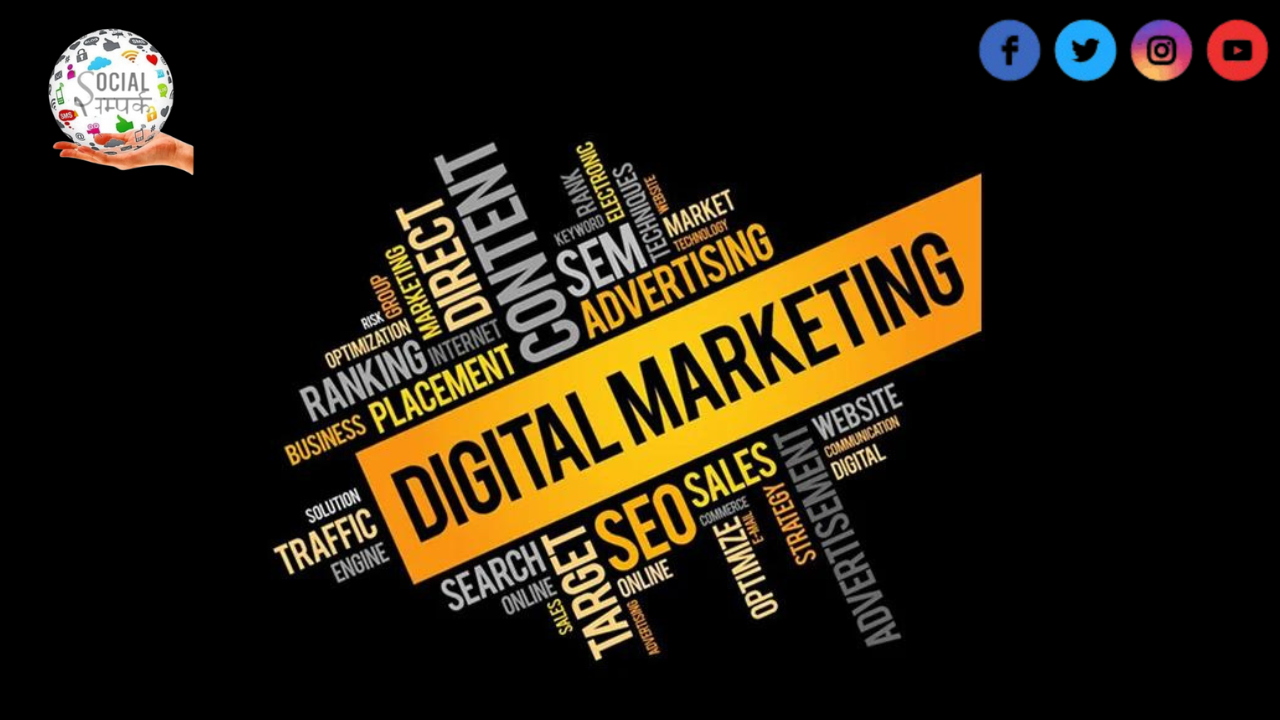
    Digital Marketing: Your Guide to Success in the Online World

    Blog

    In today’s digital age, the way businesses connect with customers has fundamentally changed. If you’re new to the concept of digital marketing, you might be wondering what it’s all about and how you can use it to grow your business. Well, you’ve come to the right place! This blog will give you a humanized, easy-to-understand intro to digital marketing—no jargon, just the essentials you need to get started. What is Digital Marketing? Let’s start with the basics. Digital marketing is simply the process of promoting products or services using digital channels. These channels include websites, social media platforms, email, search engines, and more. Unlike traditional marketing—think billboards, TV ads, or flyers—digital marketing allows you to reach your audience where they spend most of their time: online. But here’s what makes it truly powerful. Digital marketing isn’t just about broadcasting your message; rather, it’s about creating meaningful connections with your audience. By engaging them with valuable content and guiding them through a journey that leads to trust and loyalty, digital marketing becomes a tool for building lasting relationships. Whether you’re a small business owner, an aspiring entrepreneur, or just curious about how marketing works in today’s world, understanding digital marketing is essential. Why Digital Marketing Matters So, why should you care about digital marketing? The answer is simple: your customers are online. Think about it—how often do you check your social media, search for something on Google, or browse through your favorite online store? Your customers are doing the same thing. Therefore, digital marketing allows you to meet them where they are, rather than waiting for them to come to you. It’s cost-effective, measurable, and offers an incredible amount of flexibility. Whether you want to target a local audience or reach potential customers halfway around the world, digital marketing gives you the tools to do it. The Key Components of Digital Marketing Now that we’ve covered why digital marketing is important, let’s dive into some of the key components that make up a successful digital marketing strategy. Think of these as the building blocks of your intro to digital marketing: 1. Website and SEO (Search Engine Optimization) First, your website is often the first impression people have of your business, so it needs to be user-friendly, informative, and easy to navigate. However, having a great website isn’t enough if no one can find it. That’s where SEO comes in. SEO is the practice of optimizing your website so that it ranks higher in search engine results pages (like Google). The better your SEO, the more likely people are to find you when they search for relevant terms. 2. Content Marketing Next, content is at the heart of digital marketing. It’s everything from blog posts and videos to social media updates and infographics. The goal of content marketing is to provide valuable information to your audience, answer their questions, and solve their problems. When done right, content marketing can position your brand as a trusted authority in your industry. 3. Social Media Marketing Additionally, social media platforms like Facebook, Instagram, Twitter, and LinkedIn are where people spend a lot of their time online. Social media marketing involves creating and sharing content on these platforms to build brand awareness, drive engagement, and foster community. Therefore, it’s a great way to connect with your audience on a more personal level. 4. Email Marketing Moreover, email is one of the most direct ways to communicate with your audience. With email marketing, you can send targeted messages to your subscribers, whether it’s a newsletter, promotional offer, or personalized recommendation. The key is to provide value and build trust with your audience over time. 5. Paid Advertising (PPC) Finally, paid advertising, or Pay-Per-Click (PPC), is a method where you pay to have your ads shown to potential customers online. Google Ads and social media ads are common examples. With PPC, you can target specific keywords, demographics, and behaviors, making it a powerful way to reach your ideal audience quickly. 6. Analytics and Data One of the greatest advantages of digital marketing is that it’s measurable. You can track how well your campaigns are performing, see what’s working and what’s not, and make data-driven decisions to improve your strategy. Tools like Google Analytics give you insight into your website traffic, user behavior, and conversion rates. Getting Started with Digital Marketing Now that you have a basic intro to digital marketing, you might be wondering where to start. Here’s a simple roadmap to guide you: Final Thoughts In conclusion, digital marketing can seem overwhelming at first, but the key is to start small and keep learning. This intro to digital marketing is just the beginning. As you experiment with different strategies, you’ll start to see what works for your business and your audience. Remember, digital marketing is all about building relationships, providing value, and meeting your customers where they are. With time and effort, you’ll be able to harness the power of digital marketing to grow your business and connect with your audience in meaningful ways.

    August 28, 2024 / 0 Comments
    read more
    Intro to Digital Marketing

    Intro to Digital Marketing: A Beginner’s Guide to Navigating the Online World

    Digital Marketing

    In today’s fast-paced digital landscape, having a strong online presence is no longer just an option—it’s a necessity. Whether you’re a small business owner, an aspiring entrepreneur, or someone curious about how brands thrive online, understanding digital marketing is crucial. This guide is designed to introduce you to the basics of digital marketing, helping you navigate the online world with confidence. What Is Digital Marketing? To start, digital marketing refers to the use of digital channels, such as websites, social media, search engines, and email, to promote products or services. Unlike traditional marketing, which relies on physical media like print ads or TV commercials, digital marketing leverages the power of the internet. As a result, it allows you to reach a global audience, track performance in real-time, and tailor messages to specific target audiences. The Key Components of Digital Marketing To effectively navigate the world of digital marketing, it’s important to understand its key components. Here are the most essential elements: 1. Search Engine Optimization (SEO) SEO is the practice of optimizing your website and content to rank higher in search engine results pages (SERPs). By using targeted keywords, improving website speed, and building backlinks, you can increase your site’s visibility. Consequently, this attracts more organic traffic to your site. 2. Content Marketing Another critical element is content marketing, which involves creating and distributing valuable, relevant content to attract and engage your target audience. This can include blog posts, videos, infographics, and more. Ultimately, the goal is to provide information that helps your audience solve problems or fulfill needs, thereby positioning your brand as an authority in your industry. 3. Email Marketing Email marketing is one of the most effective ways to nurture relationships with your audience. By sending targeted emails based on user behavior, preferences, or demographics, you can keep your brand top-of-mind. Additionally, email campaigns allow you to promote new products or services and drive conversions. 4. Pay-Per-Click Advertising (PPC) Finally, PPC is a model of digital advertising where you pay each time a user clicks on your ad. Platforms like Google Ads and Facebook Ads allow you to create highly targeted campaigns based on keywords, demographics, and user interests. Because PPC can deliver immediate results, it’s a valuable tool for generating leads and sales. Why Digital Marketing Matters Digital marketing is more than just a trend—it’s a vital part of modern business strategy. Here’s why it matters: 1. Reach a Global Audience First, the internet breaks down geographical barriers, allowing you to reach potential customers from around the world. Whether you’re running an e-commerce store or a local business, digital marketing gives you the tools to expand your reach far beyond your physical location. 2. Cost-Effective Marketing Compared to traditional marketing methods, digital marketing is often more affordable. Tools like social media, email marketing, and SEO offer cost-effective ways to promote your brand. This is especially beneficial for small businesses with limited budgets. 3. Measurable Results One of the biggest advantages of digital marketing is the ability to track and measure your results in real-time. With tools like Google Analytics, you can see how many people are visiting your website, where they’re coming from, and what actions they’re taking. Therefore, this data allows you to refine your strategies and improve your ROI. 4. Personalization and Targeting Moreover, digital marketing allows you to target specific audiences with personalized messages. Whether through email campaigns, social media ads, or content marketing, you can tailor your approach to meet the needs and preferences of different customer segments. As a result, this increases the likelihood of conversion. Getting Started with Digital Marketing If you’re new to digital marketing, it’s best to start by focusing on one or two channels that align with your business goals and audience. For example, if you’re a small business looking to increase local visibility, SEO and social media marketing might be your best bets. On the other hand, if you’re an e-commerce store, consider investing in PPC and email marketing. Conclusion In conclusion, digital marketing is a dynamic and ever-evolving field, but with the right approach, it can be incredibly rewarding. By understanding the basics and staying up-to-date with the latest trends and tools, you can effectively navigate the online world and build a strong digital presence for your brand. Remember, the journey to mastering digital marketing begins with small steps. Start by experimenting with different strategies, analyzing your results, and continuously refining your approach. With time and persistence, you’ll develop the skills and knowledge needed to thrive in the digital landscape.

    August 28, 2024 / 0 Comments
    read more

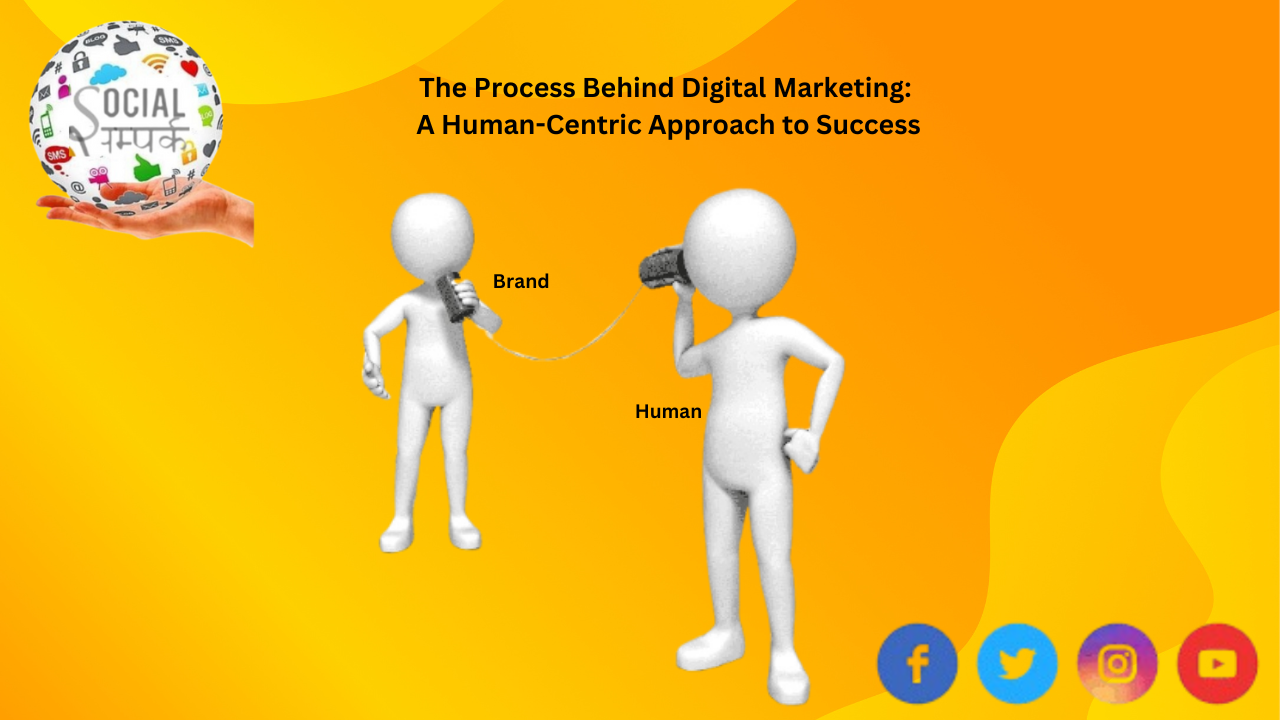
    The Process Behind Digital Marketing: A Human-Centric Approach to Success

    Digital Marketing

    In today’s world, where almost everything has a digital footprint, businesses must adapt to thrive. But digital marketing isn’t just about throwing ads online and hoping for the best. It’s a strategic, thoughtful process that, when done right, can genuinely transform a business. Let’s break down this process in a more personal, human way, so it’s not just a bunch of marketing jargon but something you can relate to and use to guide your efforts. 1. Getting to Know Your Audience Imagine you’re hosting a party. To make it memorable, you need to know who’s coming, right? Are they foodies, music lovers, or maybe fans of a good mystery game? Digital marketing works the same way. The first step is understanding who you’re talking to—your audience. This involves creating “buyer personas,” which are detailed profiles of your ideal customers. These personas help you understand what your audience cares about, their challenges, and what solutions they’re looking for. The better you know them, the better you can tailor your messages, products, and overall approach to fit their needs. 2. Setting Goals That Matter Once you know your audience, it’s time to figure out what you want to achieve. Think of this as setting your destination before starting a road trip. Do you want to get more people to know about your brand? Drive traffic to your website? Maybe you’re looking to generate leads or boost sales. Whatever it is, your goals should be clear and specific. But here’s the kicker: these goals need to be realistic and measurable. It’s easy to say, “I want more customers,” but how many? By when? Setting SMART goals (Specific, Measurable, Achievable, Relevant, and Time-bound) gives you a clear target to aim for, making it easier to gauge your success and stay motivated. 3. Finding the Right Keywords Keywords are like the signposts along the road that lead people to your business. Think of them as the questions or phrases people type into Google when they’re looking for something. Finding the right keywords is crucial because they help you get noticed in the vast sea of online content. But keyword research isn’t just about picking the most popular words. It’s about understanding what your audience is searching for and making sure your content answers those queries. Tools like Google Keyword Planner, SEMrush, and Ahrefs can help you discover which keywords are driving traffic in your industry. Once you have a list of relevant keywords, you can weave them into your content naturally, helping your business show up when it matters most. 4. Creating Content That Connects Content is the heart and soul of digital marketing. It’s your chance to tell your story, share your expertise, and connect with your audience on a deeper level. But here’s the thing: your content needs to be more than just informative; it needs to be engaging and human. Think about the kind of content that grabs your attention—whether it’s a blog post, video, social media update, or email newsletter. What makes it stand out? It’s usually something that speaks directly to your interests or offers you something valuable, like a solution to a problem or a new perspective on an issue. That’s what your content should do. It should resonate with your audience, answer their questions, and provide them with value. And remember, variety is key. Not everyone likes to consume content in the same way, so mix it up. Use a combination of text, images, videos, infographics, and interactive elements to keep your audience engaged and coming back for more. 5. Optimizing for Search Engines (SEO) If content is the heart of digital marketing, SEO is the brain. It’s the strategy that ensures your content gets seen by the right people. SEO (Search Engine Optimization) is all about making sure your website and content are easy for search engines like Google to find and understand. But don’t let the technical side of SEO scare you. At its core, SEO is about creating a great user experience. This means your website should be fast, mobile-friendly, and easy to navigate. Your content should be well-organized and filled with the right keywords (remember those?). And don’t forget about off-page SEO, like getting other reputable websites to link back to your content. The more quality links you have, the more credible your site appears to search engines. 6. Engaging Through Social Media Social media isn’t just for sharing cat videos and memes (though those are fun too). It’s a powerful tool for connecting with your audience on a personal level. Each platform—whether it’s Facebook, Instagram, Twitter, LinkedIn, or others—offers unique ways to engage with your followers. But here’s a little secret: it’s not about being everywhere all at once. It’s about being where your audience is and speaking their language. Whether you’re posting educational content on LinkedIn, sharing behind-the-scenes photos on Instagram, or tweeting quick tips on Twitter, the goal is to create content that resonates with your audience and encourages interaction. And if you’re looking to reach even more people, consider paid social media advertising. These platforms allow you to target specific demographics, interests, and behaviors, so your ads reach the people most likely to be interested in what you have to offer. 7. Building Relationships Through Email Marketing In a world full of social media noise, email remains one of the most personal and direct ways to communicate with your audience. Think of email marketing as a way to build and nurture relationships with your customers. Whether you’re sending out a monthly newsletter, a special promotion, or a personalized product recommendation, email allows you to reach your audience directly in their inbox. But the key to successful email marketing is relevance. Your emails should feel like they were written just for the recipient. Segmenting your email list based on factors like past purchases, browsing behavior, or interests allows you to send targeted messages that are more likely to resonate and convert. 8. Making an Impact with Paid Advertising Paid advertising,

    August 28, 2024 / 0 Comments
    read more

    Posts navigation

    Previous 1 2
    Social sampark

    Social sampark

    Strategies Focused on Increasing The Reach & Visibility of your Business

    ©Copyright 2024 Created & Managed by Pallavi Mathur||socialsampark.in||

    Chat with Us

    Privacy Policy

     Contact Us

    +91 9873308793

    Facebook Twitter Youtube