Our Clients Apollo Clinic | Apollo Sugar | Apollo Dental | Pop-A-Gola | M.R. Cargo Services | Seth Anandram Jaipuria School
Social sampark

Social sampark

  • Home
  • About us
  • Services
  • Blogs
  • Contact Us
  • Home
  • About us
  • Services
  • Blogs
  • Contact Us
    Social Media - 360 social media services

    SEO and Digital Marketing: A Perfect Pairing for Success

    Digital Marketing,  SEO

    In the ever-evolving world of online business, two terms consistently stand out: Search Engine Optimization (SEO) and Digital Marketing. These two concepts are often mentioned together, but how do they actually relate to each other? How does SEO fit into the broader digital marketing landscape? Let’s explore the dynamic relationship between SEO and digital marketing and understand why this pairing is crucial for business success. 1. Understanding Digital Marketing Digital marketing encompasses all online marketing efforts. From social media campaigns to email marketing, content creation, and paid advertising, digital marketing is about using the internet and other digital channels to connect with your target audience. The goal is to promote your brand, products, or services and drive sales through various online strategies. Digital marketing is broad, covering multiple channels and tactics. These include: 2. The Role of SEO in Digital Marketing SEO is an integral part of digital marketing. While digital marketing includes various strategies to reach customers, SEO focuses specifically on optimizing your online presence to improve your search engine rankings. This optimization is critical because search engines are often the starting point for customers looking for products, services, or information online. By incorporating SEO into your digital marketing strategy, you ensure that your website and content are discoverable by search engines like Google. This means when potential customers search for keywords related to your business, they are more likely to find you. SEO involves: 3. SEO and Content Marketing Content marketing and SEO go hand in hand. High-quality content is at the core of both SEO and digital marketing. Creating valuable, relevant content that answers your audience’s questions is key to attracting and retaining customers. However, without SEO, even the best content can go unnoticed. SEO ensures your content is visible to search engines and, by extension, to your target audience. By optimizing your content with the right keywords, meta descriptions, and internal links, you improve its chances of ranking well in search results. This not only drives organic traffic but also enhances the overall effectiveness of your digital marketing efforts. 4. The Synergy Between SEO and Other Digital Marketing Channels SEO doesn’t work in isolation; it complements and enhances other digital marketing channels. For instance: When these channels work together, they create a cohesive digital marketing strategy that maximizes your reach and impact. 5. The Benefits of Integrating SEO into Your Digital Marketing Strategy Integrating SEO into your digital marketing strategy offers numerous benefits: Conclusion SEO and digital marketing are a powerful combination that can drive significant growth for your business. While digital marketing encompasses a wide range of strategies, SEO plays a crucial role in ensuring your efforts are seen by your target audience. By integrating SEO into your digital marketing strategy, you enhance your online visibility, attract more organic traffic, and ultimately achieve your business goals. In a digital-first world, mastering the relationship between SEO and digital marketing is key to staying ahead of the competition and securing long-term success.

    September 3, 2024 / 0 Comments
    read more
    work in progress

    Where Digital Marketing Can Be Done: Exploring the Best Channels and Platforms

    Digital Marketing

    Introduction: The World of Digital Marketing Channels Digital marketing has revolutionized the way businesses reach their audience. Gone are the days when traditional advertising was the only way to connect with potential customers. Today, the digital landscape is rich with diverse platforms and channels, each offering unique opportunities to engage with your audience. Whether you’re a small business owner or a seasoned marketer, understanding where digital marketing can be done—and how to use these channels effectively—is crucial to building a successful strategy. In this blog, we’ll explore various digital marketing channels, their benefits, and how to leverage them to achieve your marketing goals. The Top Digital Marketing Channels Choosing the Right Channels for Your Digital Marketing Strategy With so many digital marketing channels available, how do you choose the right ones for your business? Here are some tips: The Role of Data and Analytics To effectively manage your digital marketing efforts across various channels, data and analytics are crucial. Tools like Google Analytics, social media insights, and email marketing reports provide valuable information about your audience’s behavior, campaign performance, and ROI. By analyzing this data, you can make informed decisions, refine your strategy, and achieve better results. Conclusion: Embrace the Opportunities in Digital Marketing The digital marketing landscape is vast and full of opportunities. By understanding where digital marketing can be done and leveraging the right channels, you can effectively reach and engage your audience. Whether you’re focusing on social media, SEO, content marketing, or any other channel, the key is to be strategic, data-driven, and responsive to your audience’s needs. Embrace the diverse possibilities in digital marketing and watch your business thrive in the digital world.

    September 1, 2024 / 0 Comments
    read more
    customer meet

    Meet Your Customers Exactly Where They Are: A Digital Marketing Guide

    Digital Marketing,  Marketing communications

    Introduction: Why Meeting Customers Where They Are Matters In today’s digital age, customers are more empowered than ever. They have endless choices, immediate access to information, and high expectations for personalized experiences. For businesses, this means the old ways of pushing out generic marketing messages just don’t cut it anymore. To truly connect with your audience, you need to meet your customers where they are—whether that’s on social media, browsing their favorite websites, or checking their email. It’s about being present, relevant, and responsive at the right moments in their journey. In this blog, we’ll dive into how you can meet your customers exactly where they are and why it’s a game-changer for your digital marketing strategy. Why It’s Important to Meet Customers Where They Are Let’s be honest: nobody likes to be sold to, especially in ways that feel intrusive or irrelevant. Think about the last time you saw an ad that was completely off-target—did it make you want to engage with that brand? Probably not. On the flip side, when a brand shows up exactly when you need it with something that feels tailored just for you, it’s a different story. That’s the power of meeting customers where they are. In short, when you make the effort to understand and meet your customers where they are, everyone wins. How to Meet Your Customers Where They Are So, how do you actually go about meeting your customers where they are? It’s not as complicated as it might seem—here are some actionable steps to get you started: How AI Can Help You Get There AI isn’t just a buzzword—it’s a powerful tool that can help you meet customers where they are. Here’s how: By integrating AI into your digital marketing strategy, you can meet your customers’ needs more efficiently and effectively. Conclusion: Make Your Marketing Count by Meeting Customers Where They Are At the end of the day, digital marketing isn’t about shouting louder than the competition—it’s about connecting with your customers in a way that feels authentic and helpful. By understanding their journey, leveraging data, personalizing your interactions, and being present on the right channels, you can meet your customers exactly where they are. This approach doesn’t just improve your marketing performance—it builds lasting relationships that drive loyalty and growth. So, take the time to learn where your customers are, and make sure you’re there to greet them when they arrive.

    September 1, 2024 / 0 Comments
    read more
    Content writing

    Streamline Your Content Production: A Guide for Digital Marketing Success

    Content Marketing,  Digital Marketing

    Introduction: The Need for Streamlined Content Production in Digital Marketing In the fast-paced world of digital marketing, content is king. But with so many channels to manage and so much content to produce, it’s easy to get overwhelmed. If you’re spending more time than you’d like on content creation, it’s time to streamline your content production process. By refining your workflow, leveraging the right tools, and focusing on efficiency, you can produce high-quality content faster, freeing up time for strategy and innovation. In this blog, we’ll explore practical ways to streamline your content production and boost your digital marketing efforts. Why Streamlining Content Production is Essential Content production is a crucial component of any digital marketing strategy, but it can be a time-consuming and resource-intensive process. Here’s why streamlining this process is essential: Streamlining content production isn’t just about saving time—it’s about making your entire digital marketing strategy more effective and sustainable. Steps to Streamline Your Content Production Streamlining your content production doesn’t happen overnight, but by following these steps, you can create a more efficient and productive process: By implementing these steps, you can significantly streamline your content production process, allowing you to focus on strategy, innovation, and other high-value tasks in your digital marketing efforts. The Role of AI in Streamlining Content Production Artificial Intelligence (AI) is becoming an increasingly valuable tool in content production. Here’s how AI can help you streamline your process: By incorporating AI into your content production process, you can streamline workflows, improve efficiency, and enhance the quality of your content. Conclusion: Boost Your Digital Marketing by Streamlining Content Production In conclusion, streamlining your content production is a game-changer for your digital marketing strategy. By planning ahead, leveraging the right tools, repurposing content, outsourcing when necessary, and incorporating AI, you can create high-quality content more efficiently. This streamlined approach not only saves time and resources but also enhances the effectiveness of your overall marketing efforts. So, take the steps today to streamline your content production and watch your digital marketing success soar.

    September 1, 2024 / 0 Comments
    read more
    Banner -services tailored to meet each client's unique needs and objectives.

    Make Solid Business Decisions: Take Fewer Risks in Digital Marketing

    Content Marketing,  Digital Marketing,  Marketing communications

    Introduction: The Importance of Making Solid Business Decisions in Digital Marketing In the ever-evolving landscape of digital marketing, making solid business decisions is critical to your success. But how do you ensure that these decisions are sound and not just based on gut feeling or guesswork? The answer lies in reducing risks through data-driven strategies. By leveraging data and insights, you can minimize uncertainties, make informed choices, and ultimately achieve better results. In this blog, we’ll explore how to take fewer risks in your digital marketing efforts by focusing on solid, evidence-based business decisions. Why Risky Decisions Can Be Costly in Digital Marketing In the world of digital marketing, taking risks without adequate data to back them up can lead to significant losses. Here’s why: The key to minimizing these risks is to base your decisions on solid data rather than on speculation or gut feel. How Data-Driven Decisions Lead to Better Outcomes Data-driven decisions are the backbone of successful digital marketing strategies. Here’s how they help you take fewer risks: By relying on data to guide your decisions, you can minimize risks and increase the likelihood of achieving your business objectives. Steps to Make Solid Business Decisions in Digital Marketing To make solid business decisions in digital marketing, follow these steps: By following these steps, you can ensure that your digital marketing decisions are well-informed, reducing risks and leading to better outcomes. The Role of AI and Automation in Risk Reduction Artificial Intelligence (AI) and automation play a crucial role in helping marketers make solid business decisions. Here’s how they contribute to risk reduction: By integrating AI and automation into your digital marketing strategy, you can further reduce risks and make more informed, data-driven decisions. Conclusion: Take Fewer Risks by Making Solid, Data-Driven Business Decisions In conclusion, the key to making solid business decisions in digital marketing lies in reducing risks through data-driven strategies. By leveraging analytics, AI, and automation, you can make informed decisions that lead to better outcomes, higher ROI, and a stronger brand presence. So, stop relying on guesswork and start taking fewer risks by basing your decisions on solid data. Your business will thank you for it.

    September 1, 2024 / 0 Comments
    read more
    social media

    Stop Wasting Time on Gut Feel and Guesswork in Digital Marketing

    Digital Marketing,  Marketing communications

    Introduction: Why Relying on Gut Feel is No Longer Enough in Digital Marketing In the ever-evolving world of digital marketing, there’s a lingering temptation to trust your instincts—to go with your gut, as they say. After all, intuition has been a guiding force for many successful entrepreneurs and marketers over the years. But here’s the catch: while gut feel might work occasionally, in today’s data-rich environment, it’s often not enough. Making decisions based on guesswork alone can lead to missed opportunities, wasted resources, and, ultimately, underwhelming results. If you’re serious about getting ahead in digital marketing, it’s time to leave guesswork behind and embrace data-driven decision-making. The Pitfalls of Gut-Driven Decisions Let’s face it—when we make decisions based on gut feel, we’re essentially rolling the dice. Sure, experience and intuition can guide us in the right direction sometimes, but more often than not, we’re gambling with outcomes. Here are some key reasons why relying solely on your gut can be problematic: While gut feel has its place, particularly in the creative process, it’s not a reliable foundation for making strategic decisions in digital marketing. The Power of Data-Driven Marketing So, if gut feel isn’t the answer, what is? Enter data-driven marketing. This approach involves making decisions based on concrete data—real numbers that tell you what’s working and what isn’t. It’s about removing the guesswork and relying on evidence to guide your strategy. Here’s why data-driven marketing is a game-changer: Making the Shift: From Guesswork to Data-Driven Decisions Transitioning from a gut-driven approach to a data-driven one doesn’t happen overnight. It requires a shift in mindset, as well as a commitment to leveraging data in your decision-making process. Here’s how you can make the shift: The Role of AI and Automation in Data-Driven Marketing Artificial Intelligence (AI) and automation are transforming digital marketing in ways that were unimaginable just a few years ago. These technologies are not only making it easier to analyze data but also to act on it in real-time. Here’s how AI and automation can enhance your data-driven marketing efforts:

    September 1, 2024 / 0 Comments
    read more
    Intro to Digital Marketing

    Intro to Digital Marketing: A Beginner’s Guide to Navigating the Online World

    Digital Marketing

    In today’s fast-paced digital landscape, having a strong online presence is no longer just an option—it’s a necessity. Whether you’re a small business owner, an aspiring entrepreneur, or someone curious about how brands thrive online, understanding digital marketing is crucial. This guide is designed to introduce you to the basics of digital marketing, helping you navigate the online world with confidence. What Is Digital Marketing? To start, digital marketing refers to the use of digital channels, such as websites, social media, search engines, and email, to promote products or services. Unlike traditional marketing, which relies on physical media like print ads or TV commercials, digital marketing leverages the power of the internet. As a result, it allows you to reach a global audience, track performance in real-time, and tailor messages to specific target audiences. The Key Components of Digital Marketing To effectively navigate the world of digital marketing, it’s important to understand its key components. Here are the most essential elements: 1. Search Engine Optimization (SEO) SEO is the practice of optimizing your website and content to rank higher in search engine results pages (SERPs). By using targeted keywords, improving website speed, and building backlinks, you can increase your site’s visibility. Consequently, this attracts more organic traffic to your site. 2. Content Marketing Another critical element is content marketing, which involves creating and distributing valuable, relevant content to attract and engage your target audience. This can include blog posts, videos, infographics, and more. Ultimately, the goal is to provide information that helps your audience solve problems or fulfill needs, thereby positioning your brand as an authority in your industry. 3. Email Marketing Email marketing is one of the most effective ways to nurture relationships with your audience. By sending targeted emails based on user behavior, preferences, or demographics, you can keep your brand top-of-mind. Additionally, email campaigns allow you to promote new products or services and drive conversions. 4. Pay-Per-Click Advertising (PPC) Finally, PPC is a model of digital advertising where you pay each time a user clicks on your ad. Platforms like Google Ads and Facebook Ads allow you to create highly targeted campaigns based on keywords, demographics, and user interests. Because PPC can deliver immediate results, it’s a valuable tool for generating leads and sales. Why Digital Marketing Matters Digital marketing is more than just a trend—it’s a vital part of modern business strategy. Here’s why it matters: 1. Reach a Global Audience First, the internet breaks down geographical barriers, allowing you to reach potential customers from around the world. Whether you’re running an e-commerce store or a local business, digital marketing gives you the tools to expand your reach far beyond your physical location. 2. Cost-Effective Marketing Compared to traditional marketing methods, digital marketing is often more affordable. Tools like social media, email marketing, and SEO offer cost-effective ways to promote your brand. This is especially beneficial for small businesses with limited budgets. 3. Measurable Results One of the biggest advantages of digital marketing is the ability to track and measure your results in real-time. With tools like Google Analytics, you can see how many people are visiting your website, where they’re coming from, and what actions they’re taking. Therefore, this data allows you to refine your strategies and improve your ROI. 4. Personalization and Targeting Moreover, digital marketing allows you to target specific audiences with personalized messages. Whether through email campaigns, social media ads, or content marketing, you can tailor your approach to meet the needs and preferences of different customer segments. As a result, this increases the likelihood of conversion. Getting Started with Digital Marketing If you’re new to digital marketing, it’s best to start by focusing on one or two channels that align with your business goals and audience. For example, if you’re a small business looking to increase local visibility, SEO and social media marketing might be your best bets. On the other hand, if you’re an e-commerce store, consider investing in PPC and email marketing. Conclusion In conclusion, digital marketing is a dynamic and ever-evolving field, but with the right approach, it can be incredibly rewarding. By understanding the basics and staying up-to-date with the latest trends and tools, you can effectively navigate the online world and build a strong digital presence for your brand. Remember, the journey to mastering digital marketing begins with small steps. Start by experimenting with different strategies, analyzing your results, and continuously refining your approach. With time and persistence, you’ll develop the skills and knowledge needed to thrive in the digital landscape.

    August 28, 2024 / 0 Comments
    read more

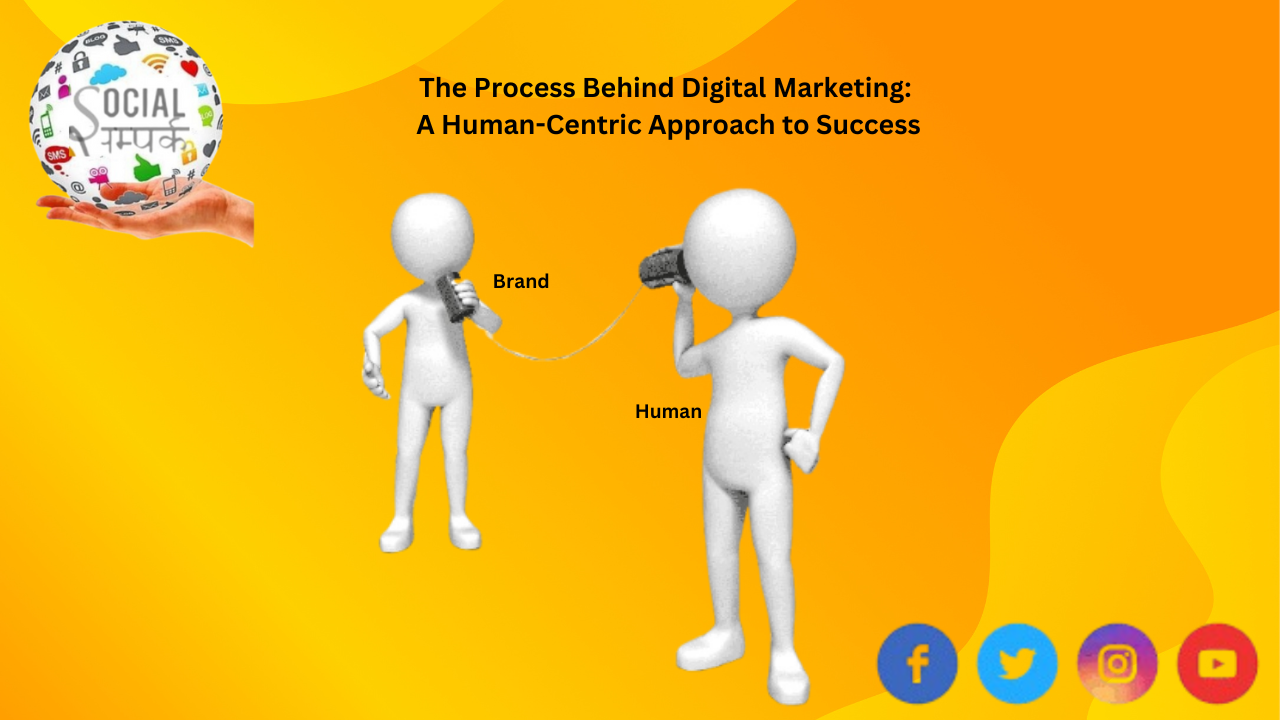
    The Process Behind Digital Marketing: A Human-Centric Approach to Success

    Digital Marketing

    In today’s world, where almost everything has a digital footprint, businesses must adapt to thrive. But digital marketing isn’t just about throwing ads online and hoping for the best. It’s a strategic, thoughtful process that, when done right, can genuinely transform a business. Let’s break down this process in a more personal, human way, so it’s not just a bunch of marketing jargon but something you can relate to and use to guide your efforts. 1. Getting to Know Your Audience Imagine you’re hosting a party. To make it memorable, you need to know who’s coming, right? Are they foodies, music lovers, or maybe fans of a good mystery game? Digital marketing works the same way. The first step is understanding who you’re talking to—your audience. This involves creating “buyer personas,” which are detailed profiles of your ideal customers. These personas help you understand what your audience cares about, their challenges, and what solutions they’re looking for. The better you know them, the better you can tailor your messages, products, and overall approach to fit their needs. 2. Setting Goals That Matter Once you know your audience, it’s time to figure out what you want to achieve. Think of this as setting your destination before starting a road trip. Do you want to get more people to know about your brand? Drive traffic to your website? Maybe you’re looking to generate leads or boost sales. Whatever it is, your goals should be clear and specific. But here’s the kicker: these goals need to be realistic and measurable. It’s easy to say, “I want more customers,” but how many? By when? Setting SMART goals (Specific, Measurable, Achievable, Relevant, and Time-bound) gives you a clear target to aim for, making it easier to gauge your success and stay motivated. 3. Finding the Right Keywords Keywords are like the signposts along the road that lead people to your business. Think of them as the questions or phrases people type into Google when they’re looking for something. Finding the right keywords is crucial because they help you get noticed in the vast sea of online content. But keyword research isn’t just about picking the most popular words. It’s about understanding what your audience is searching for and making sure your content answers those queries. Tools like Google Keyword Planner, SEMrush, and Ahrefs can help you discover which keywords are driving traffic in your industry. Once you have a list of relevant keywords, you can weave them into your content naturally, helping your business show up when it matters most. 4. Creating Content That Connects Content is the heart and soul of digital marketing. It’s your chance to tell your story, share your expertise, and connect with your audience on a deeper level. But here’s the thing: your content needs to be more than just informative; it needs to be engaging and human. Think about the kind of content that grabs your attention—whether it’s a blog post, video, social media update, or email newsletter. What makes it stand out? It’s usually something that speaks directly to your interests or offers you something valuable, like a solution to a problem or a new perspective on an issue. That’s what your content should do. It should resonate with your audience, answer their questions, and provide them with value. And remember, variety is key. Not everyone likes to consume content in the same way, so mix it up. Use a combination of text, images, videos, infographics, and interactive elements to keep your audience engaged and coming back for more. 5. Optimizing for Search Engines (SEO) If content is the heart of digital marketing, SEO is the brain. It’s the strategy that ensures your content gets seen by the right people. SEO (Search Engine Optimization) is all about making sure your website and content are easy for search engines like Google to find and understand. But don’t let the technical side of SEO scare you. At its core, SEO is about creating a great user experience. This means your website should be fast, mobile-friendly, and easy to navigate. Your content should be well-organized and filled with the right keywords (remember those?). And don’t forget about off-page SEO, like getting other reputable websites to link back to your content. The more quality links you have, the more credible your site appears to search engines. 6. Engaging Through Social Media Social media isn’t just for sharing cat videos and memes (though those are fun too). It’s a powerful tool for connecting with your audience on a personal level. Each platform—whether it’s Facebook, Instagram, Twitter, LinkedIn, or others—offers unique ways to engage with your followers. But here’s a little secret: it’s not about being everywhere all at once. It’s about being where your audience is and speaking their language. Whether you’re posting educational content on LinkedIn, sharing behind-the-scenes photos on Instagram, or tweeting quick tips on Twitter, the goal is to create content that resonates with your audience and encourages interaction. And if you’re looking to reach even more people, consider paid social media advertising. These platforms allow you to target specific demographics, interests, and behaviors, so your ads reach the people most likely to be interested in what you have to offer. 7. Building Relationships Through Email Marketing In a world full of social media noise, email remains one of the most personal and direct ways to communicate with your audience. Think of email marketing as a way to build and nurture relationships with your customers. Whether you’re sending out a monthly newsletter, a special promotion, or a personalized product recommendation, email allows you to reach your audience directly in their inbox. But the key to successful email marketing is relevance. Your emails should feel like they were written just for the recipient. Segmenting your email list based on factors like past purchases, browsing behavior, or interests allows you to send targeted messages that are more likely to resonate and convert. 8. Making an Impact with Paid Advertising Paid advertising,

    August 28, 2024 / 0 Comments
    read more
    Social sampark

    Social sampark

    Strategies Focused on Increasing The Reach & Visibility of your Business

    ©Copyright 2024 Created & Managed by Pallavi Mathur||socialsampark.in||

    Chat with Us

    Privacy Policy

     Contact Us

    +91 9873308793

    Facebook Twitter Youtube